Multiple Choice Test Ideas For College Classrooms
Learn when it’s appropriate to set a multiple choice test for college students, and how to make sure they achieve your classroom’s learning goals — even higher-order thinking


Learn when it’s appropriate to set a multiple choice test for college students, and how to make sure they achieve your classroom’s learning goals — even higher-order thinking

David Cereceda is Assistant Professor in Mechanical Engineering at Villanova University, near Philadelphia, PA. Here, he shares how including interactive questions as part of an active learning strategy helped satisfy a demanding student audience

“The level of engagement in your students and your classrooms is not fixed. Yes, students will arrive in your classroom with varying levels of curiosity, but there are things you as an instructor can do to make your class better.”

In this edited extract from a Top Hat e-book, we look at formative vs summative assessment, and how both have roles to play in a well-structured course. We also look at how effective deployment of one can help the other, and why student achievement depends on a good balance between evaluation and teaching and learning
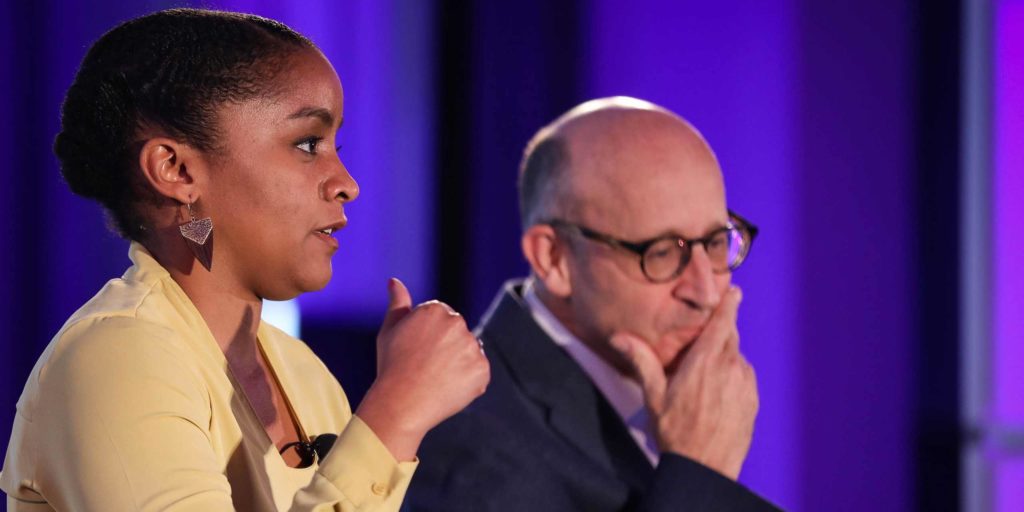
Jasmine Roberts, a professor of communications at The Ohio State University, has a story to tell about how she ended up adopting open educational resources for her courses. It was, for her, a way to establish the Golden Rule: she did not want to treat her students the way she herself had been treated as […]
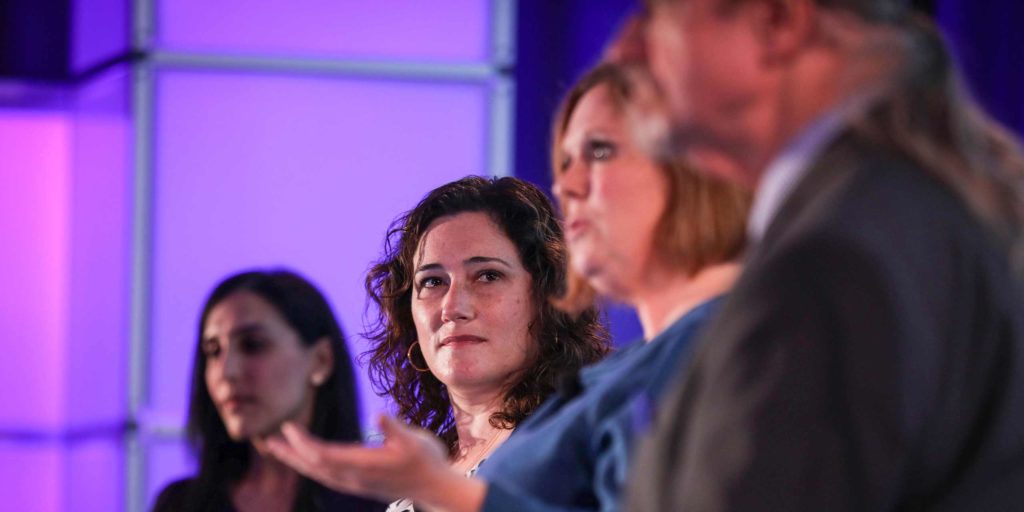
Jenel Cavazos and Greg Kitzmiller agree: if there’s one classroom tactic that’s effective at personalizing the student experience in their classrooms, it’s the word cloud. Often found on websites and in presentations, word clouds are clever graphic depictions of search terms and answers to open questions, with the most common words appearing in large print. […]

Some days, students respond well to your lesson; other days you can’t seem to get through. That’s where reflective teaching can help. As the term suggests, reflective teaching is thinking about what you’re teaching, and why you’re teaching it. But it goes a step beyond that. It’s about collecting and analyzing that data — exploring […]

If you want to become a better educator, the first step is to embrace a growth mindset. We expect it of our students, so we should expect it of ourselves

Bloom’s taxonomy: Questions to set in formative assessment How do you set your students up for success, promote student learning, and help them achieve their learning goals? And, at the end of the day, how do you know that they’re even understanding what you’re teaching? The answer lies in ongoing, or formative assessment that is […]

The classroom has changed—and now there’s proof. A new survey by Inside Higher Ed, tracking professors’ attitudes towards educational technology and new teaching methods, has revealed that more and more instructors are becoming comfortable with being the first to try new teaching tools, a result that echoes Top Hat’s own yearly poll of higher education […]

All of our speakers at Engage 2018, our yearly Chicago conference for innovative educators, took the theme of the agile classroom to heart
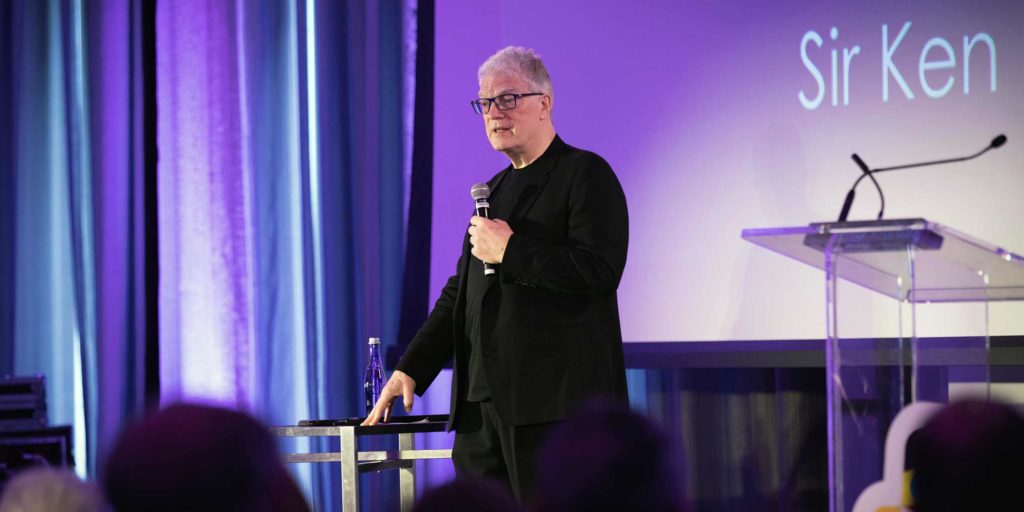
In a highly memorable and humorous talk at Engage 2018, Top Hat’s conference for innovative higher educators, international education expert and TED talk alumnus Sir Ken Robinson spoke about the radical changes needed in education to help the next generation thrive. There are forthcoming challenges in the 21st-century—climate change, ethics around artificial intelligence, and more—and […]

Finding out about educational technology grants — especially ones that are relevant to higher education — isn’t as straightforward as one might imagine. This guide will give you some places to start your search

If you love to teach and have a passion for your industry, you may want to consider part-time work in higher education. Here’s how to become an adjunct professor. In this role, you teach courses just like a professor with tenure, but without the same responsibilities (or pay). Typically, an adjunct professor is an educator […]

What is FERPA? FERPA, or the Family Educational Rights and Privacy Act, was signed into U.S. law in 1974 with two purposes: first, that college students could receive copies of their educational records and were authorized to correct them if need be, and second, to block the release of personally identifiable information from those student […]

The world seems to revolve around the Millennial generation. But Generation Z is serious-minded, success-focused and steeped in technology from kindergarten—and now, they’re taking over higher education

Psychology professor Jenel Cavazos shares some classroom management techniques for building rapport, keeping students on task and organizing content

His TED talk “Do Schools Kill Creativity?” is the most watched TED Talk in history.
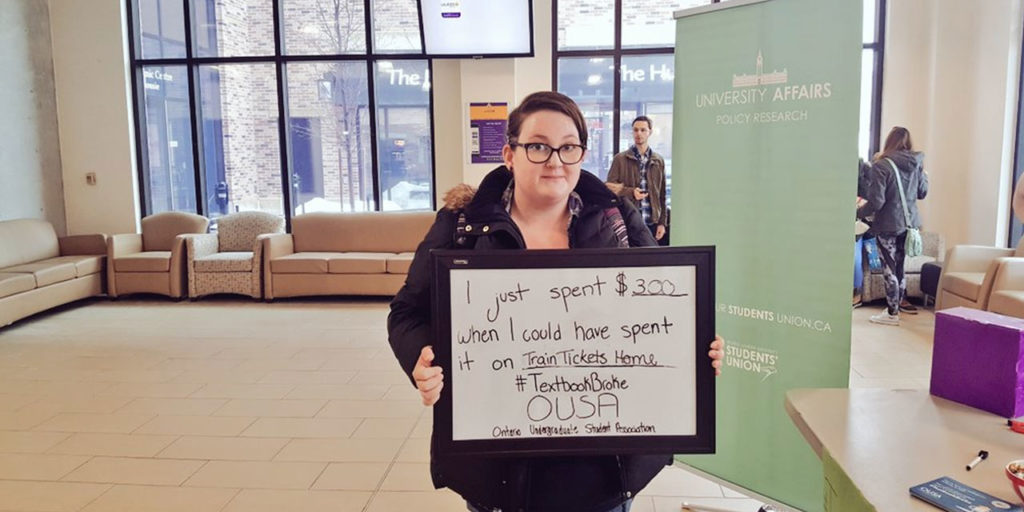
A student social media campaign is shedding light on the high cost of university textbooks, and the digital solutions that could save students thousands of dollars. The Ontario Undergraduate Student Association’s #TextbookBroke campaign is asking students to share their receipts from recently purchased textbooks, along with where they’d rather see that money go, in order […]

As an instructor, you may have decided against using OER in the past because of concerns about the quality of the course material, or the ease of implementation. It’s time to reconsider