Hybrid, Blended or HyFlex: Which Is the Right Fit for You?
Online teaching isn’t going away. Here’s how to triage which modality is the most effective for you and your students.

Online teaching isn’t going away. Here’s how to triage which modality is the most effective for you and your students.

Professor Stephen Buckles’ digital textbook motivates students to discuss economics concepts. He’s even been able to keep it up-to-date with a case study on GameStop.

Give all learners the same opportunity to succeed by adjusting your syllabus, communication style and course policies
Remote teaching continues to give faculty an opportunity to rethink student engagement and accommodation. Here are the top hybrid teaching strategies that have emerged over the last year.
Well-crafted letters of recommendation can open doors for students pursuing extracurricular, professional and personal development opportunities
Scaffolding in education empowers students to reach their potential in the college classroom through engaging activities and lesson plans

Top books to help you prioritize engagement, inclusivity and your own well-being in the months ahead
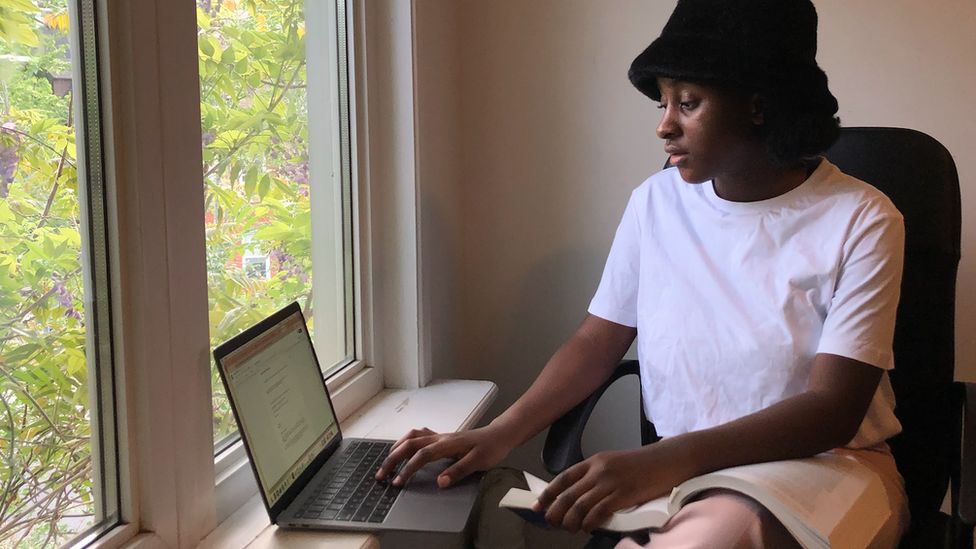
College educators are trying new technology to make online classes more engaging.
Joe Sanchez has developed a new model proven to increase course pass rates while preparing students for the world of work
Feedback has traditionally been backwards-looking. The feedforward framework is a more authentic, tailored alternative.
Using classroom technology is proven to increase engagement, flexibility and personalization in any face-to-face, hybrid or online course

Flexible course delivery, empathetic faculty and active learning factor heavily in students’ perception of value

Simple steps to writing effective, measurable learning objectives for university and college educators. This guide includes practical approaches and helpful examples.

In many college classrooms, engagement rates have plummeted steadily since the start of the term. Here’s how to rejuvenate your course midway through the semester.

Creating a culturally responsive classroom will help diverse students feel seen in your college courses
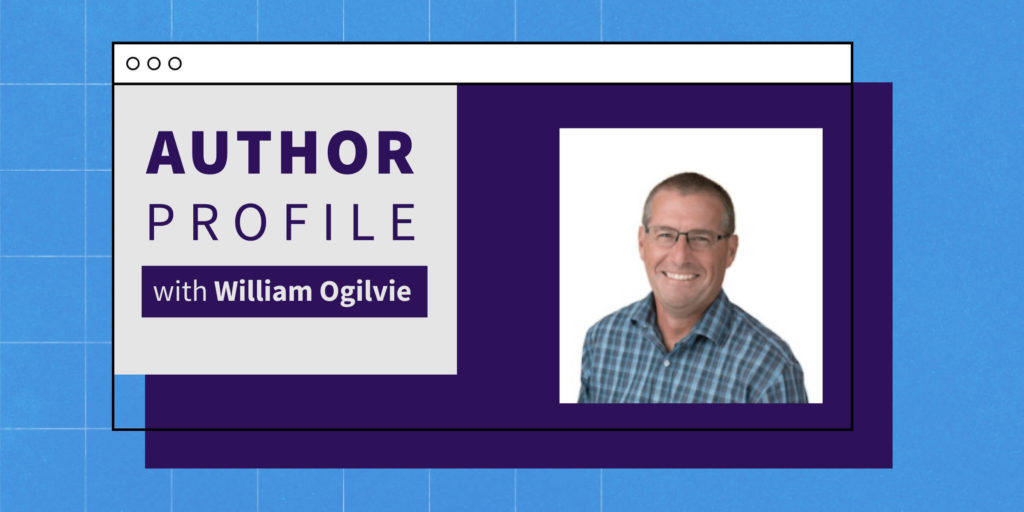
Professor William Ogilvie’s textbook emphasizes a mechanistic approach that favors understanding and application over memorization
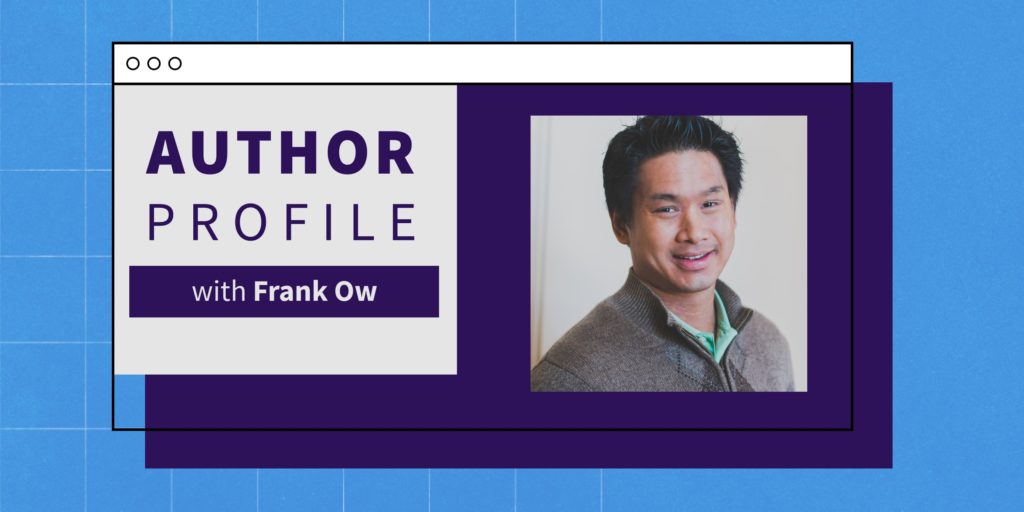
Professor Franklin Ow was determined to remove barriers to success in his general chemistry course. Here’s how authoring a digital textbook helped improve equity and comprehension.
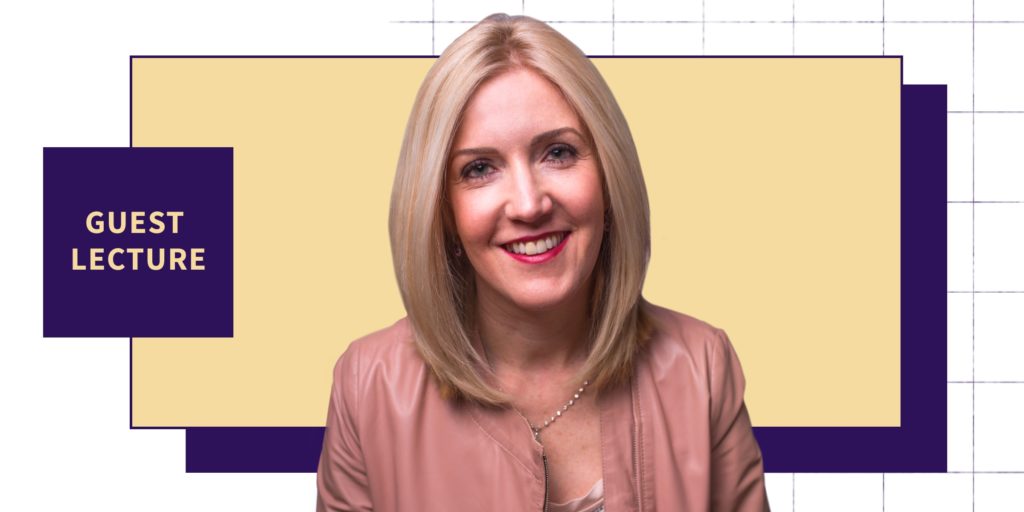
Educator Nicole McNichols’ Top Hat textbook aligned with Gen Z’s learning style—plus, boosted student exam scores along with her own course evaluations
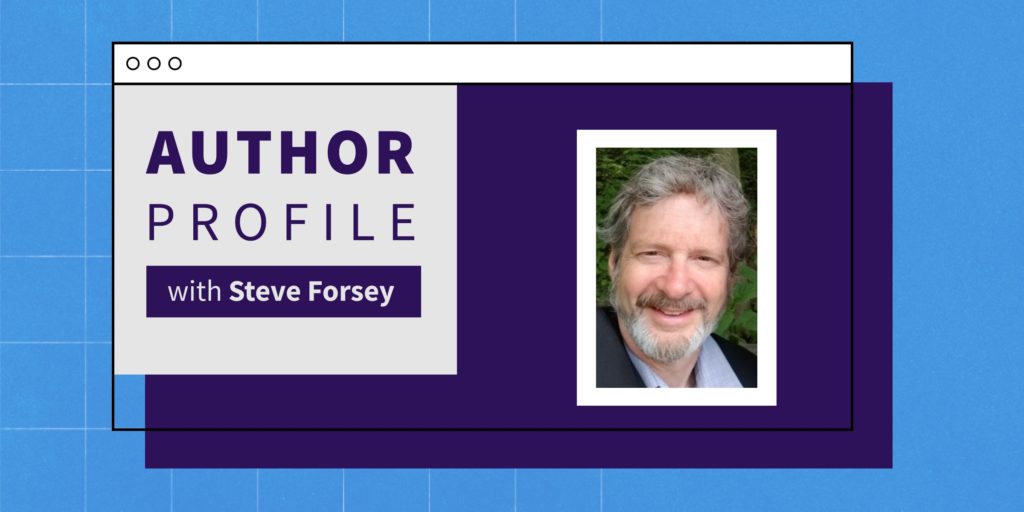
Dr. Steven Forsey, the author of Top Hat’s Organic Chemistry textbook, shares why he wrote his own text and how he uses it to improve the student learning experience
Setting expectations for how and when students communicate with you will lighten your workload and create a more open and transparent learning environment