Want to Make Education Better? Leave Academia
Lisa Petrides—founder and CEO of ISKME, an independent education nonprofit—knew she could improve education. But she had to quit her dream job at Columbia to make it happen

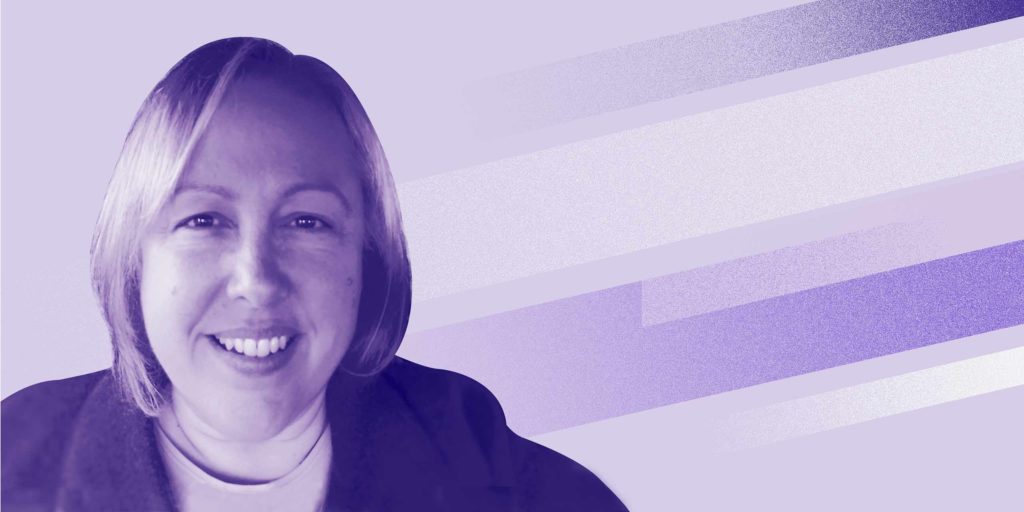
Lisa Petrides—founder and CEO of ISKME, an independent education nonprofit—knew she could improve education. But she had to quit her dream job at Columbia to make it happen

In 2019, education technology will be about social change, better use of resources and improved infrastructure—not the branded gadgets we’ve come to expect
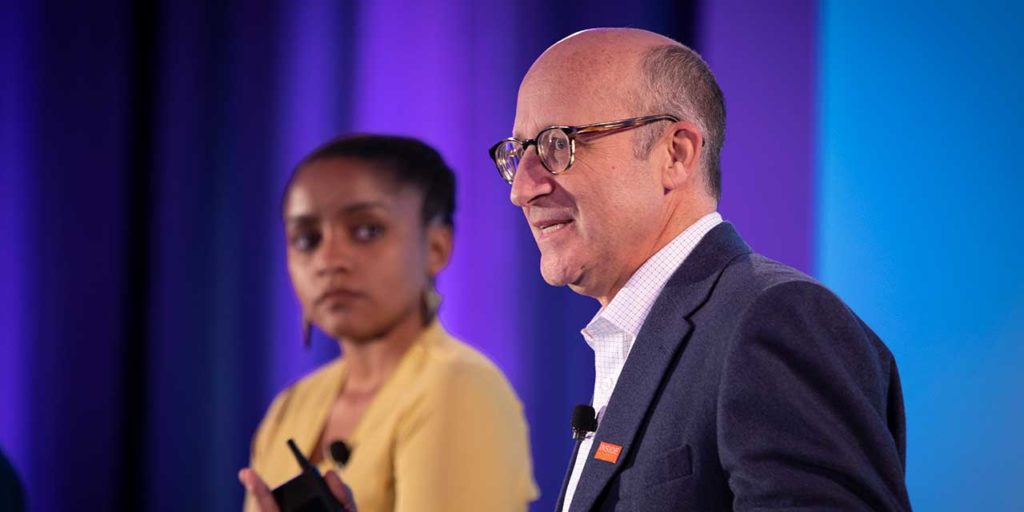
Co-editor of Inside Higher Ed says that people mainly focus on the 'free' aspect of Open Educational Resources, but often forget about its adaptability and versatility
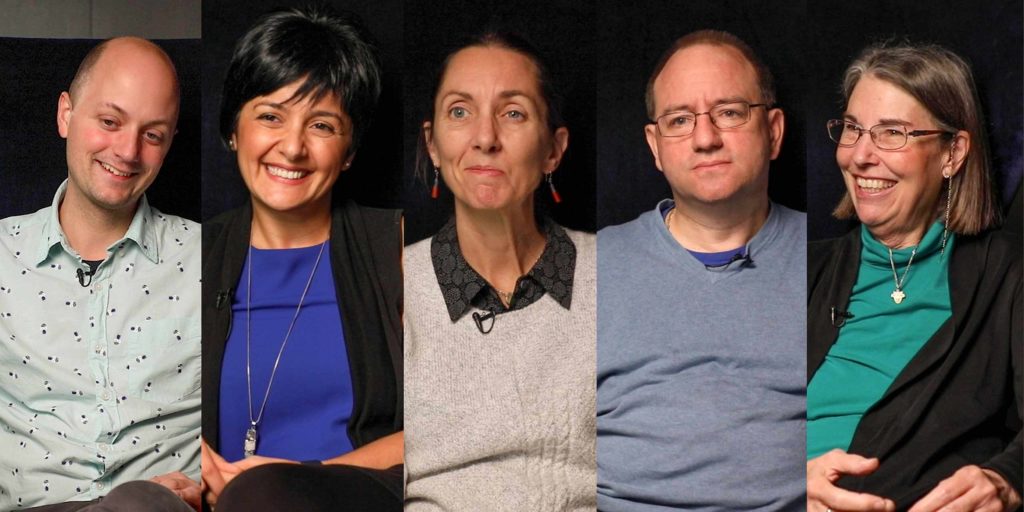
Top Hat’s panel of innovative educators have one piece of advice for rookie educators eager to start afresh in 2019—try something new, but slow down. “This is your domain, and you get to choose how you want to instruct students,” says Leslie Sprunger, associate professor at Washington State University’s College of Veterinary Medicine. “Be willing […]

Knighted in 2003 for his service to the arts, Sir Ken Robinson, the bestselling author of The Element and Creative Schools, charted an unlikely course to find international success—he chased whatever truly interested him

End of semester student evaluations are unreliable, biased and usually incomplete. Is there still a place for them?

Rote learning has become passé. So has passive teaching. These days, top educators are thinking about being agile and engaging, and that comes from first principles: your course design. In the same way software developers create agile software — in which they keep trying new things and improving, and mistakes are part of the journey […]
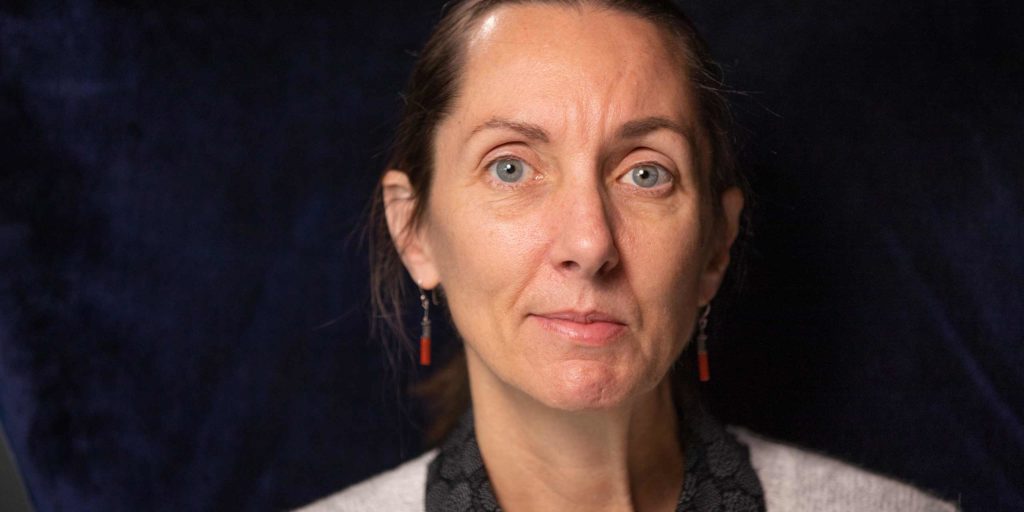
Video: Washington State University’s Leslie Sprunger helps veterinary students behave professionally by using peer assessment
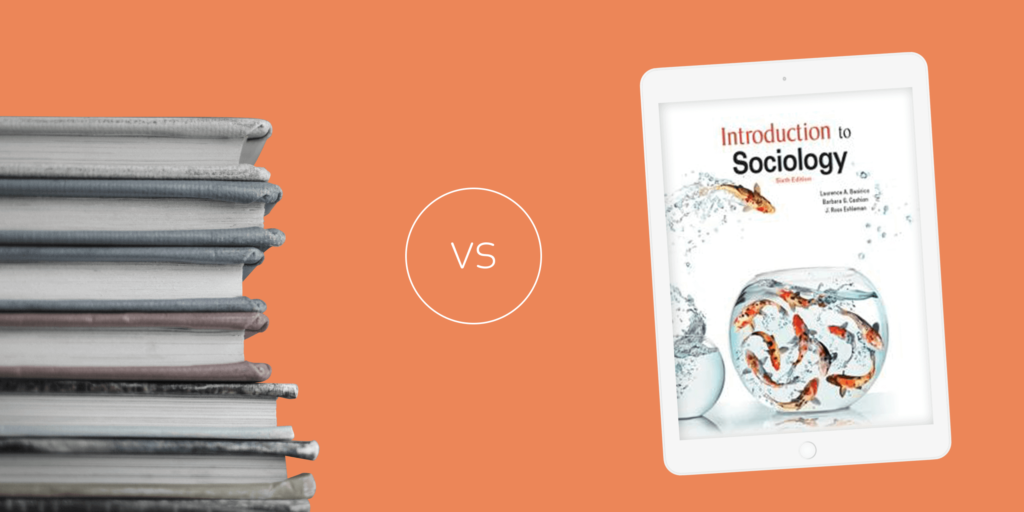
How leading sociology textbooks fare in the higher ed marketplace
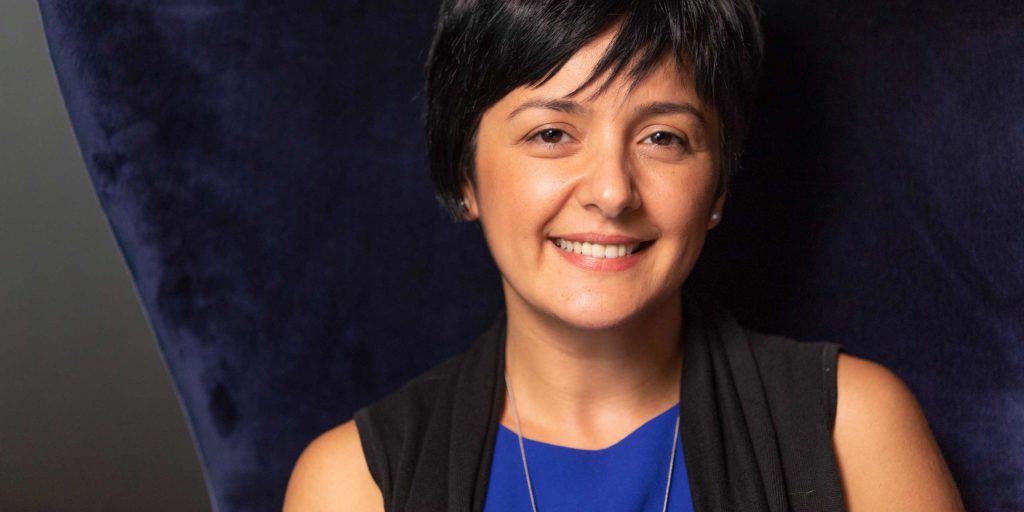
Video: Florida Atlantic University’s Burcu Karabina on helping liberal arts students overcome their fear of math

A “course made good” in teaching is like steering a ship—work out where you are, where you’re pointing, and how to change direction to get to your destination
Armed with the Bloom's taxonomy words, you can plan lesson activities and tasks, decide lecture and course outcomes, and accurately measure your students' progress
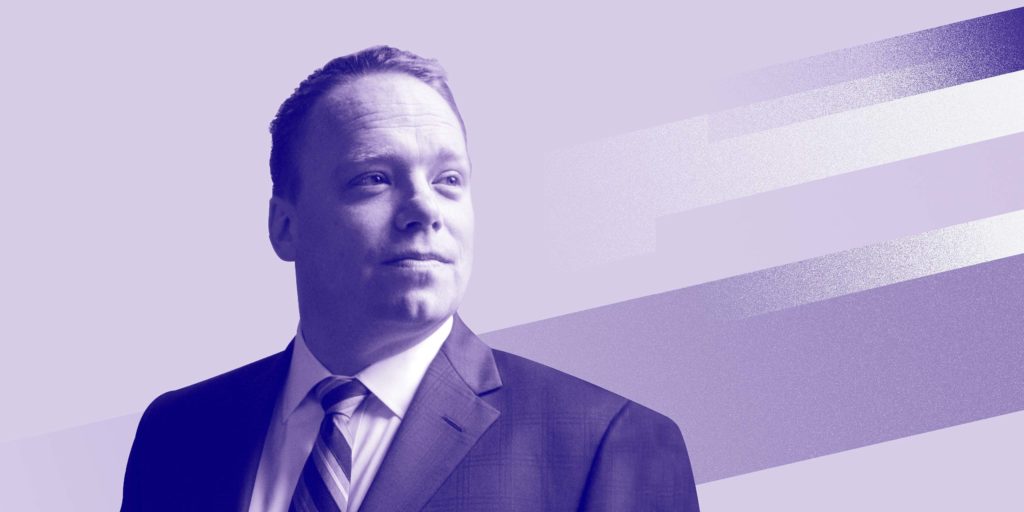
Todd Rose—bestselling author of The End of Average—dropped out of high school because he couldn’t fit the mold. Then he realized that being different could be his ticket to the Ivy League
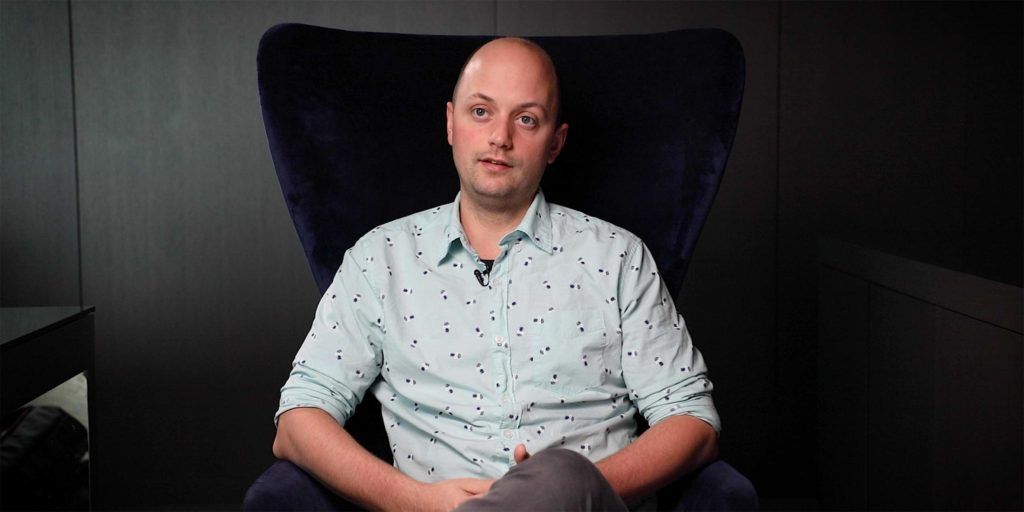
Video: UConn’s John Redden on how to make large classrooms more intimate, for students and professors alike
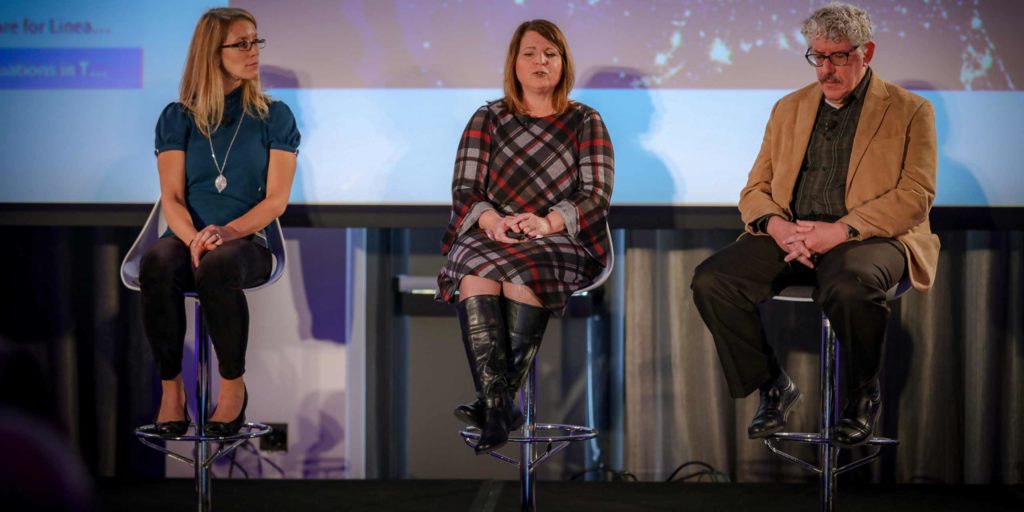
One answer to making sure students actually buy and read their textbooks before class is to write it yourself. And if that's not enough, another is to give your class starring roles

It’s an age-old problem faced by teachers: how to motivate students. While research has found a correlation between motivation and academic achievement, there isn’t a one-size-fits-all approach when it comes to inspiring your students to engage in course material. But, with a bit of effort, you can effectively motivate different types of learners and, ultimately, […]
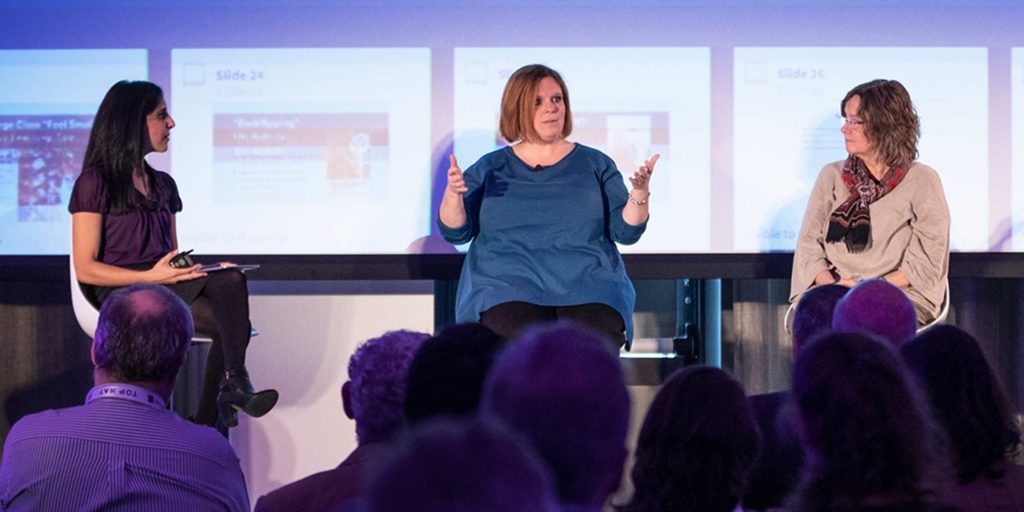
There is a metaphor that postsecondary educators fall back upon when talking about a well-worn course: it’s like a house. Sometimes it needs a little fresh air, some new furniture in the form of think-pair-shares or other active learning exercises, to recapture students’ attention. Sometimes it needs to be stripped down to the studs and […]
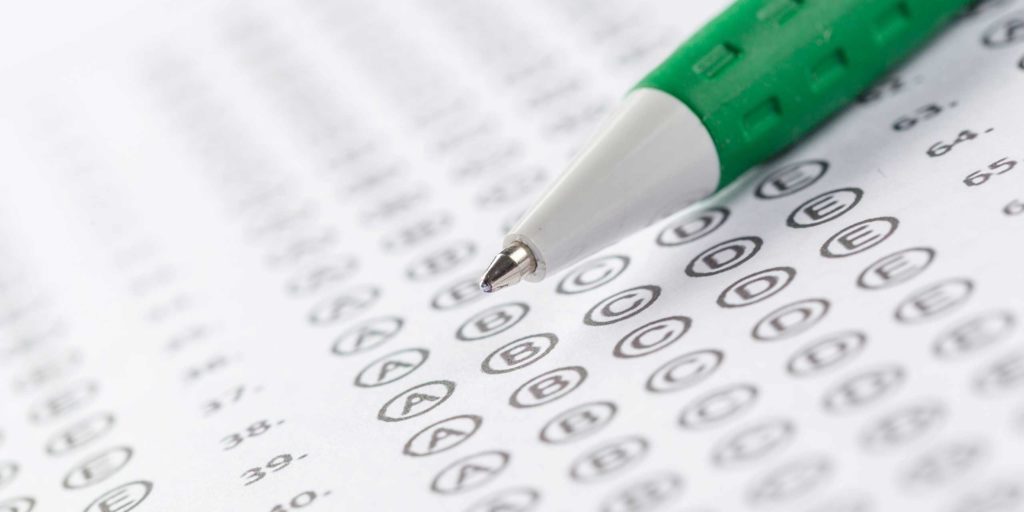
Learn when it’s appropriate to set a multiple choice test for college students, and how to make sure they achieve your classroom’s learning goals — even higher-order thinking
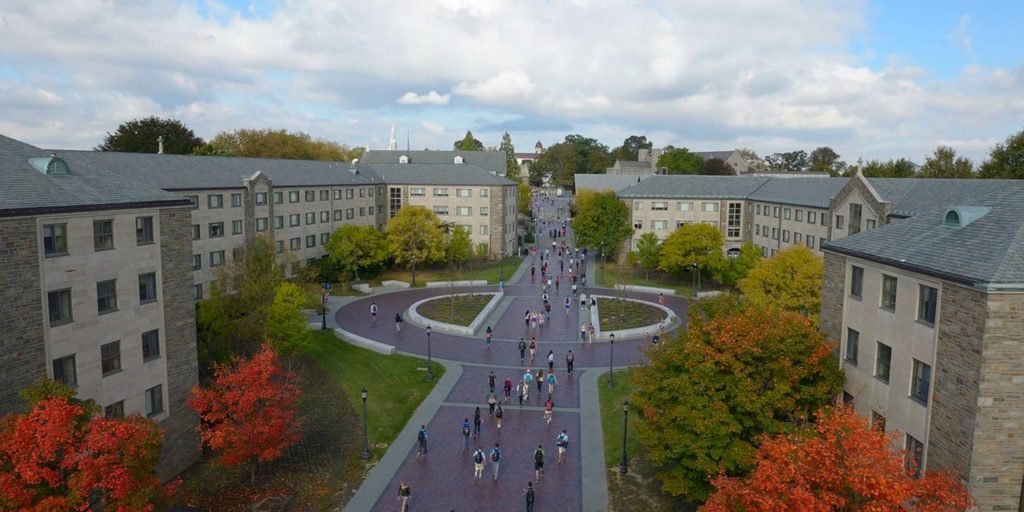
David Cereceda is Assistant Professor in Mechanical Engineering at Villanova University, near Philadelphia, PA. Here, he shares how including interactive questions as part of an active learning strategy helped satisfy a demanding student audience
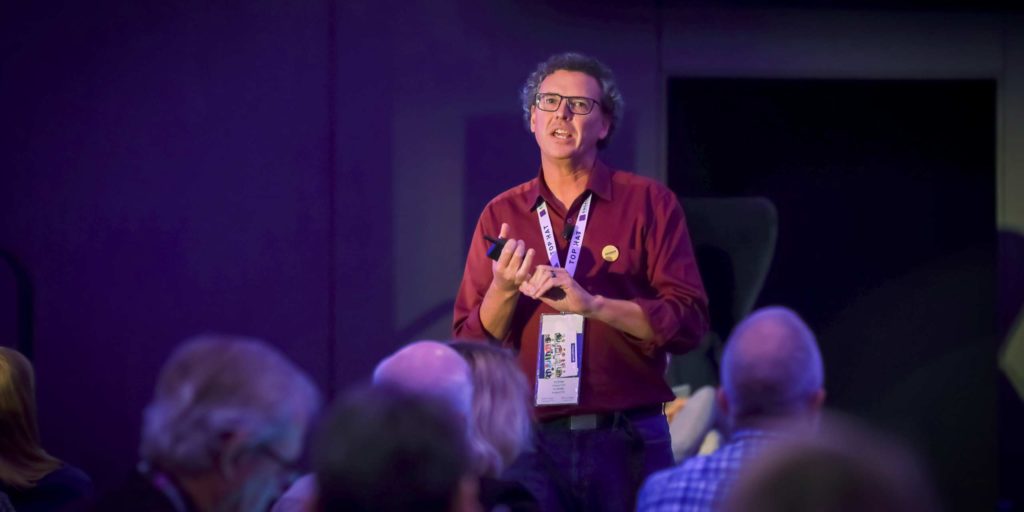
“The level of engagement in your students and your classrooms is not fixed. Yes, students will arrive in your classroom with varying levels of curiosity, but there are things you as an instructor can do to make your class better.”