1. Preventing Fake Degrees and Fraudulent Credentials

    If only preventing fake degrees and fraudulent instructors were as easy as unearthing this University of Rochester prankster, who recently masqueraded as a chemistry professor and announced that over half of the class was failing. (A few minutes later, the real professor walked into the lecture hall, demanding: “Who the hell are you?”) The difficult […]

  2. 3 New Assessment Strategies for Testing in Higher Ed

    Alternative assessment is about as “alternative” in your average university or college classroom as alternative music: which is to say pretty mainstream. While alternative assessment was once a push-back against the old Greek and British “I teach, you learn” lecture and testing styles that represent the foundations of the western education system, almost every faculty now […]

  3. Top Hat Wins PROFIT 500 Excellence In Innovation Award

    Top Hat has received Canadian Business magazine’s PROFIT 500 Excellence in Innovation Award, recognizing its work pushing boundaries in education and technology. PROFIT 500 is the country’s most prestigious yearly celebration of entrepreneurial achievement. For nearly 30 years, it has measured businesses on five-year revenue growth to identify the most dynamic and successful firms in […]

  4. Yik Yak Successor Aims to Bring Mobile Chat Back to Campus

    Yik Yak, a college-based, largely anonymous, chat app shut down earlier this year after numerous accounts of cyberbullying, racism and bomb threats. Now another app, called Islands, may be about to take its place. Like Yik Yak, Islands is a chat-based app built specifically with college students in mind. Also, like Yik Yak, it’s location-based, […]

  5. Engage 2017’s Innovative Educator Awards: Who Won and Why

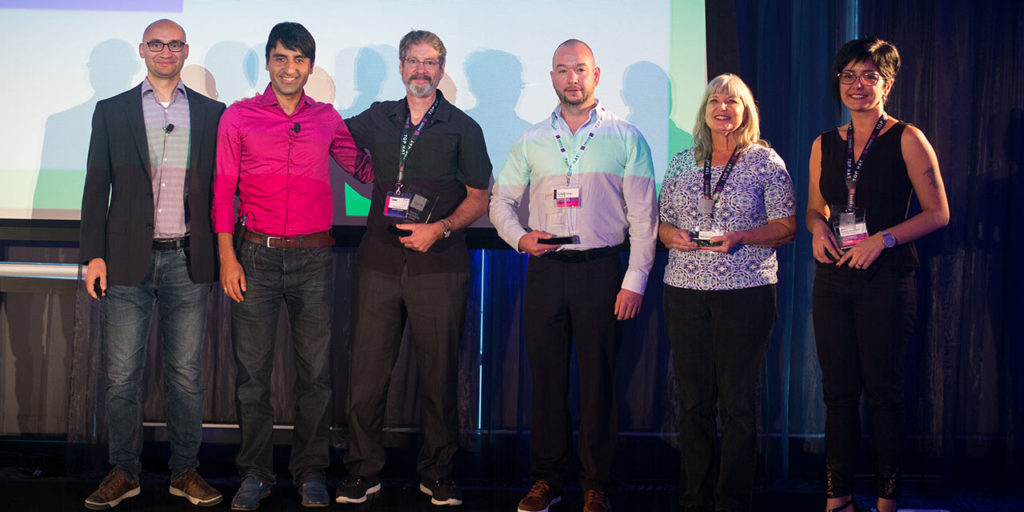
    Engage 2017 wasn’t just about learning new teaching techniques—it celebrated innovative educators who used new methods to meet their classroom goals. In our inaugural Innovative Educator Awards, these following four educators showed focus, spirit and imagination in improving their student engagement and results. Top Author Beth Hammett—College of the Mainland, TX English Beth Hammett began […]

  6. 4 Things We Learned About Modern Teaching at Engage 2017

    At the Engage 2017 conference in Chicago, guests enjoyed an array of sessions that touched on topics ranging from active learning to the future of textbooks. Here are some of the most important things we learned about innovation and storytelling. Higher education can learn from Silicon Valley Universities that have bureaucratic and slow-moving decision-making processes […]

  7. Hurricane Preparedness and Recovery: What Faculty Should Do

    In late August and early September, Hurricanes Harvey and Irma wreaked havoc not only on homes and businesses, but on post-secondary institutions that were gearing up for the new school year. In the aftermath of these devastating storms, students, faculty and staff are still trying to recover — and make up for lost time. There […]

  8. Prevent Online Exam Cheating with Top Hat Test

    Faced with unrelenting pressure to achieve high grades and increased competition for jobs and graduate school slots, students are resorting to risky measures in order to get ahead. In a survey of over 70,000 undergraduate students conducted by the International Center for Academic Integrity, 68 percent of respondents admitted to cheating on a test or […]

  9. Orchestrating Engagement: Self-Assessment for Music Students

    Back in 1996, just before joining the faculty at Ohio’s Oberlin Conservatory, music theory professor Brian Alegant took a workshop for university and college professors on student-centered teaching. He had been teaching for a number of years already, at McGill University in Montreal, and was beset by the nagging sense that his teaching—and that teaching […]

  10. Student Attendance Matters, Even If Lectures Are Online. Ask Harvard

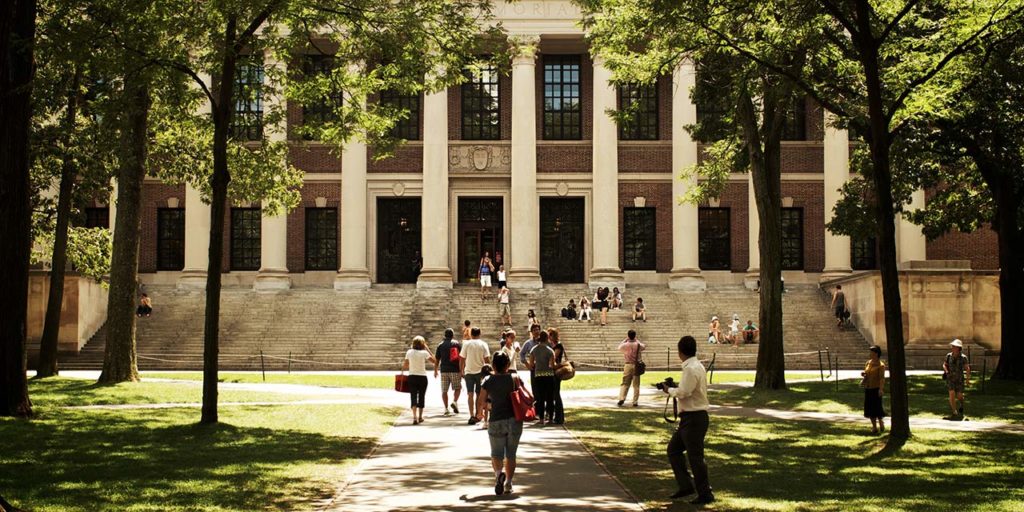
    Undergraduates enrolled in Harvard University’s critically acclaimed and popular Introduction to Computer Science course this fall have received new and unusual instructions—that student attendance at lectures is encouraged. The previous year, lead instructor Professor David J. Malan had told students they need only attend the first and last meetings of the semester in person, and to […]

  11. An Interactive Anatomy Textbook With Heart

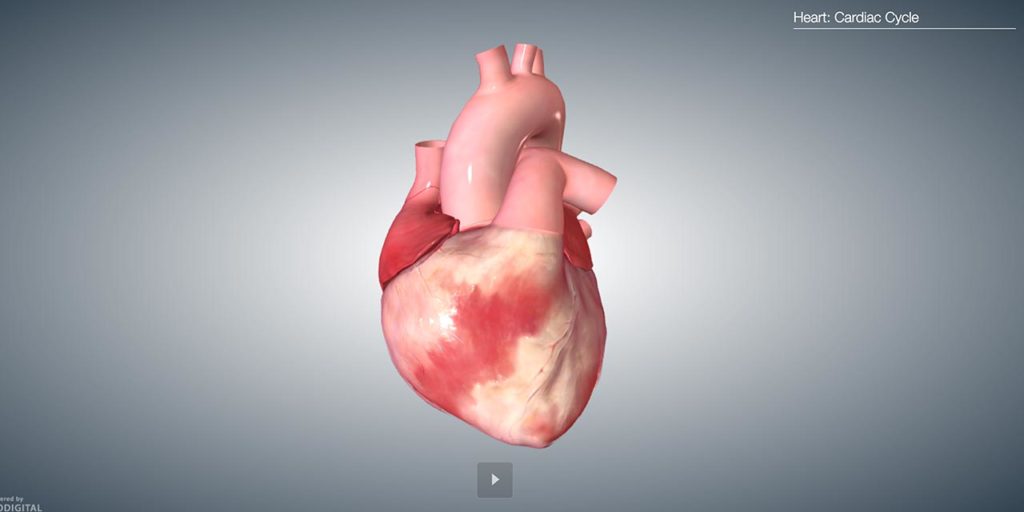
    You wouldn’t normally expect students to have passionate opinions about their textbooks, let alone rave about them. But when Professor John Redden used Top Hat’s platform to build an interactive anatomy textbook for his class, 83% of his students said that it was “better than other books”—both interactive and digital—they’d ever tried before. As assistant […]

  12. Dynamic Textbook Revisions Will Keep Your Classes Cutting Edge

    In 2006, when Pluto lost its status as a planet, textbooks didn’t help alleviate confusion over the galactic changeup. Many still counted it as part of the solar system. As several new terms were being debated (is it a “dwarf planet”? a “plutoid?”), textbooks struggled to keep up with debate, and it appears many stopped […]

  13. Lecturer Career Ideas: 4 Ways To Get Ahead

    If you’re a lecturer waiting for your administration to send you on a training course, you could be waiting a long time. Taking the first step yourself is easier than you think. Here are four ways you can boost your lecturing career and improve your reputation, knowledge and student feedback. Leadership If your medium-to-long-term plan […]

  14. Steven Sloman Challenges Everything You Know

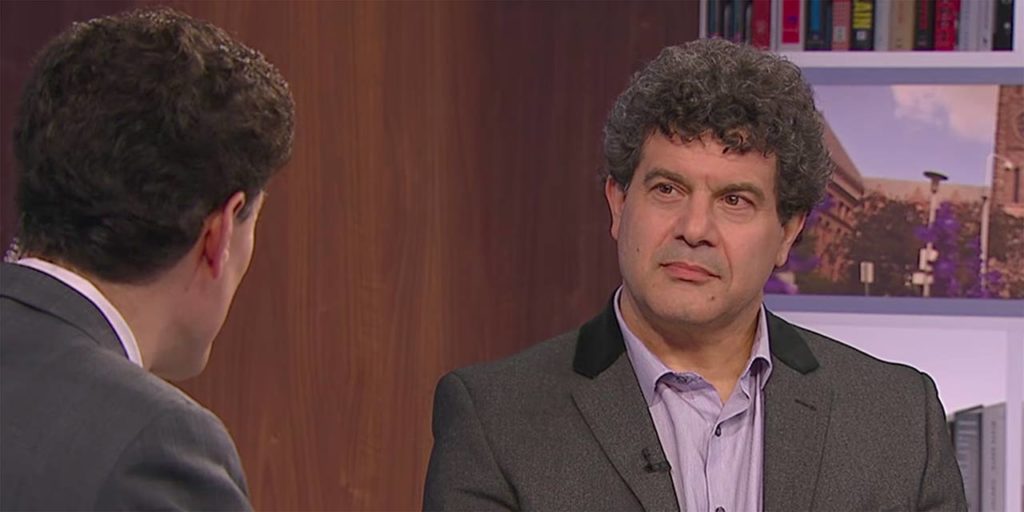
    People are more ignorant than they think they are. That’s the premise of Steven Sloman’s new book, The Knowledge Illusion: Why We Never Think Alone, co-authored by Phil Fernbach. In it, the authors posit that the idea of individual thinking is a myth and that everything we know is due to the collective knowledge of […]

  15. The Story of America’s First Center for Teaching and Learning

    In the past two decades, centers for teaching and learning have popped up at just about every post-graduate school in North America. But for most of their history, universities and colleges were institutions where disciplinary expertise was established and ultimately disseminated. Teaching—and the study of how students learn—was an afterthought. By the early 1960s, the […]

  16. How Classroom Technology Affects Student Evaluations

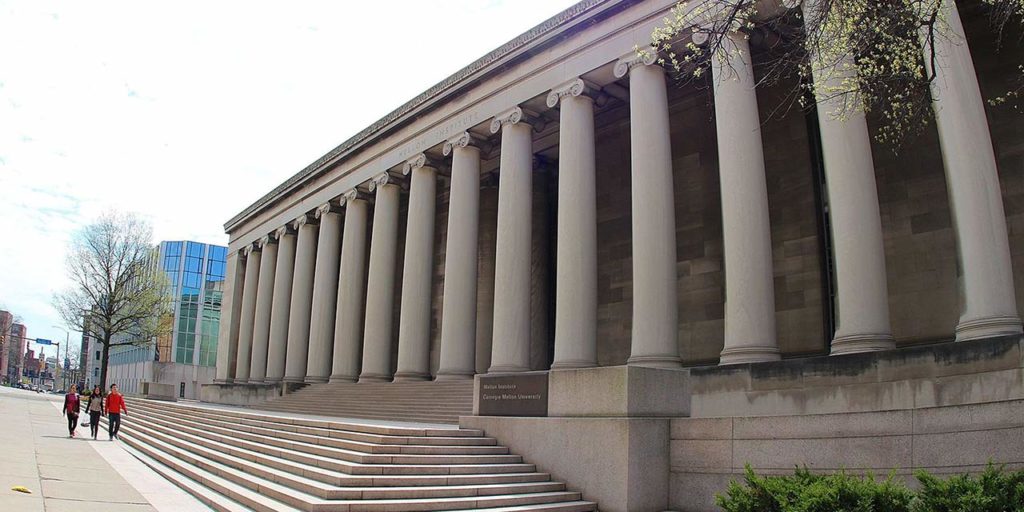
    For decades, Carnegie Mellon University has been at the forefront of the development of technology-enhanced learning. But when administrators discovered that, within their own institution, new evidence-based classroom technology was not being widely adopted, educational anthropologist Dr. Lauren Herckis was brought in to investigate. After receiving a $1-million, two-year grant from Carnegie Corporation of New […]

  17. Behind the Buzzwords: A Guide to Modern Education Jargon

    We’ve started a glossary to explain some of the more confusing education jargon used to describe modern teaching techniques and lesson planning

  18. Pocket Science: How Smartphones are the Labs of the Future

    The historian Melvin Kranzberg reminded us—in the first of his “Laws of Technology”—that “technology is neither good nor evil.” And yet, he insisted, “neither is it neutral.” Our tools (however advanced) remain expressions of human intent. They magnify both our follies and our promise. So, to adopt a Kranzbergian attitude, where are there openings that […]

  19. 4 Ways Of Teaching Stats in 1 Interactive Text

    Deborah Carroll is a Psychology professor at Southern Connecticut State University and contributing author of a chapter of Top Hat’s interactive text Statistics for Social Science. In the latest instalment of our webinar series, Why Innovative Educators Are Using Interactive Content, she talked about the lesson structure behind how she teaches a particular statistical concept—and […]

  20. The 3 Career Stages of Academic Stress

    In researching her book Helping Faculty Find Work-Life Balance: The Path Toward Family Friendly Institutions, Virginia Commonwealth University professor Maike Philipsen looked at work-related stress for academics at different stages of their careers. What she found: workplace stress never goes away, but the sources change. Subscribe to Top Hat’s weekly blog recap Get the best […]