1. 3 Ways To Keep Your Teaching Nimble

    In this abridged extract from Top Hat’s new e-book, The Professor’s Guide to Agile Teaching, we look at three different ways that instructors in psychology, math and physiology make sure that their teaching is memorable, effective, and most of all, responds to the needs of their students without creating colossal amounts of work for teacher […]


  2. Classroom Response Software Lifts Engagement and Grades: Study

    In-class classroom response software, including Top Hat Classroom, has a profoundly positive effect on engagement—and a knock-on effect on grades, a new study in the March 2019 issue of the Journal of College Science Teaching says. The study, authored by Andrew J. Petto, Distinguished Lecturer Emeritus in the Department of Biological Sciences at the University […]

  3. 5 Professors Share Their Experiences of Imposter Syndrome

    Who do you think you are? What are you playing at? Sooner or later, somebody is going to find you out… Sound familiar? You’re not alone. Imposter syndrome—being continually plagued with the feeling that you’re not qualified—is endemic within academia. Although it happens to most academics, it’s particularly prevalent and toxic among those who identify […]

  4. This Entrepreneur Is Making Kids Fall in Love With Science

    In our recurring series “Academic Admissions” we ask interesting people to tell us about the transformative role education has played in their lives. In this instalment, Renee Watson talks about her early encounters with science in rural Australia and how getting stranded in London with barely enough money to buy a day’s groceries turned into […]

  5. Course Evaluation: What’s Wrong and How to Fix it

    Course evaluation often elicits groans from students — and can cause stress for instructors. There’s even an article1 in The Chronicle of Higher Education entitled “Everyone Hates Course Evaluations.” But there are good reasons for doing evaluations as part of the teaching and learning process — and there are ways to make it easier and […]

  6. How Interactivity Will Boost Learning in BVT’s Social Psychology Text

    Upgrading a print textbook to contain quizzes, surveys and checkpoints is far from a gimmick, according to psychology textbook author Stephen Franzoi. That’s why he’s transferring his current textbook, Social Psychology, to Top Hat’s digital platform. Franzoi builds self-report questionnaires into each of his chapters that students can take and then use to compare them […]

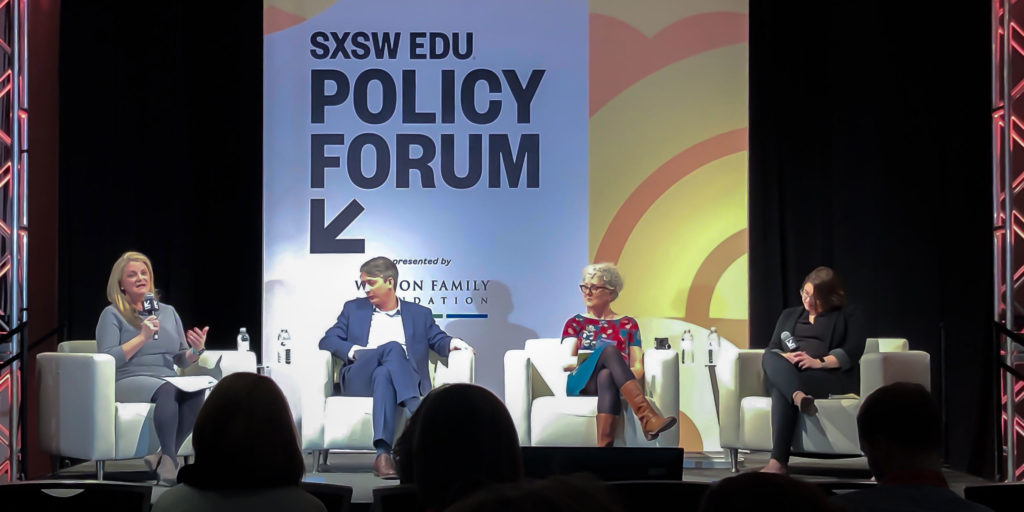
  7. SXSW EDU 2019: 4 Key Takeaways About Education Technology

    Personalized learning, formative assessment and improving student interaction all require technology to be teacher-led and focused on results

  8. How a ‘Slacker’ Ended up Leading a World-Class Theoretical Physics Institute

    In our recurring series “Academic Admissions” we ask interesting people to tell us about the transformative role education has played in their lives. In this instalment, Howard Burton explains what happened after an inspirational physics professor gave him an appreciation for the beauty and utility of math, when his first choice—in sports—became improbable. Howard Burton […]

  9. A Textbook That Teaches Students How To Learn

    On-demand and interactive media is now the norm for Generation Z students coming into their first year of college—in fact, Generation Z’s eldest members are already in their senior year. Generation Z want personalization and they live and socialize online; having to purchase expensive, print-based textbooks leaves them nonplussed. Many don’t bother buying or reading […]

  10. How Blockbuster Helped Neil Garg Become a Better Prof

    Your first job, whatever it might be, is often a useful foundation, as Neil Garg, Professor of Chemistry at University of California, Los Angeles, explains

  11. Ethos, Pathos, Logos: How Rhetoric Can Improve Your Teaching

    The three rhetorical appeals — pathos, ethos, logos — were defined by Aristotle hundreds of years ago, but they’re just as relevant today

  12. Women in STEM, Role Models and The Crucial Role of Higher Ed

    Role models in education, industry and even television are needed to increase the percentage of women in STEM, say two front-line teaching academics

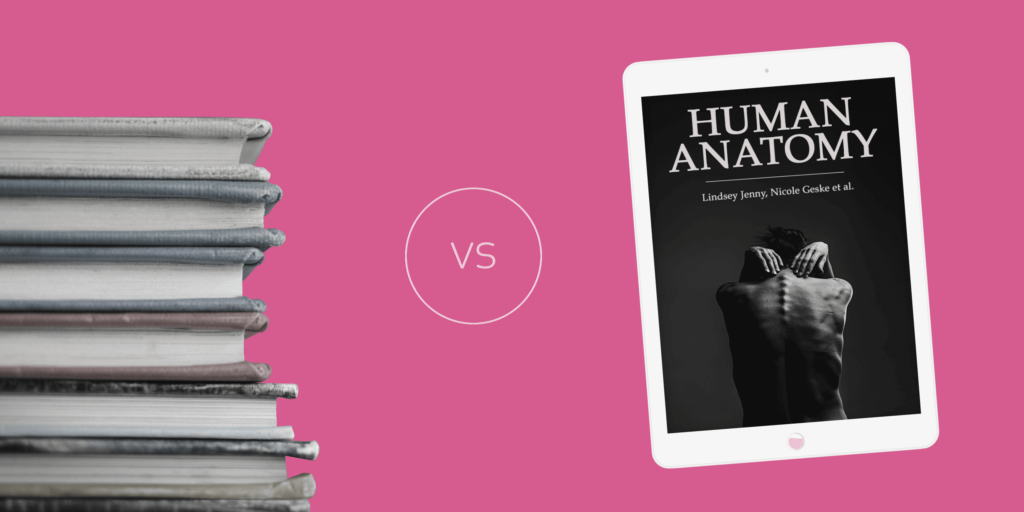
  13. Human Anatomy Textbooks: Which Is The Best?

    How leading human anatomy textbooks fare in the higher ed marketplace

  14. Grit and a Gift for Engineering Pave a Way for Women in STEM

    Gina Cody, the first woman to have an engineering school named after her in Canada, worked relentlessly to distinguish herself in a male-dominated field. But her success isn’t a one-off. It’s trailblazing a path for other women in STEM to succeed

  15. YouTube in the Classroom: 7 Tips and Best Practices

    While YouTube is better known for Taylor Swift and video game commentary than higher education, the video hosting platform has gone from a potential classroom distraction to a multifaceted learning tool. To date, YouTube has more than one billion users in 91 countries—that’s almost one-third of the population with Internet access. Of all the videos […]

  16. Learning Styles: The Ultimate Guide

    Learn more about the learning styles approach, and how you can use them as a basis to explore new teaching ideas and methods

  17. How To Become a Tenure Track Professor

    Looking to get on the tenure track? Here's what you need to plan for, and how to get there

  18. Curriculum Based Measurement: How To Get Started

    While exams are designed to test and score knowledge, they don’t always indicate how well students are progressing through course material. That’s where curriculum based measurement comes in. Developed by researchers in the late 1970s, this objective assessment technique quickly measures student progress — and responsiveness to various teaching techniques — ultimately producing a better […]

  19. How to Write a Philosophy of Teaching Statement

    5 easy steps on how to write an authentic and effective philosophy of teaching statement to help your job application get noticed.

  20. Want to Make Education Better? Leave Academia

    Lisa Petrides—founder and CEO of ISKME, an independent education nonprofit—knew she could improve education. But she had to quit her dream job at Columbia to make it happen