45 Bloom’s Taxonomy Action Verbs to Drive Student Success Online
Evaluating student comprehension is a must. Here’s how Bloom’s Taxonomy can help.


Evaluating student comprehension is a must. Here’s how Bloom’s Taxonomy can help.

Recorded lectures provide students with opportunities for connection and collaboration while maintaining the flexibility necessary to learn at their own pace
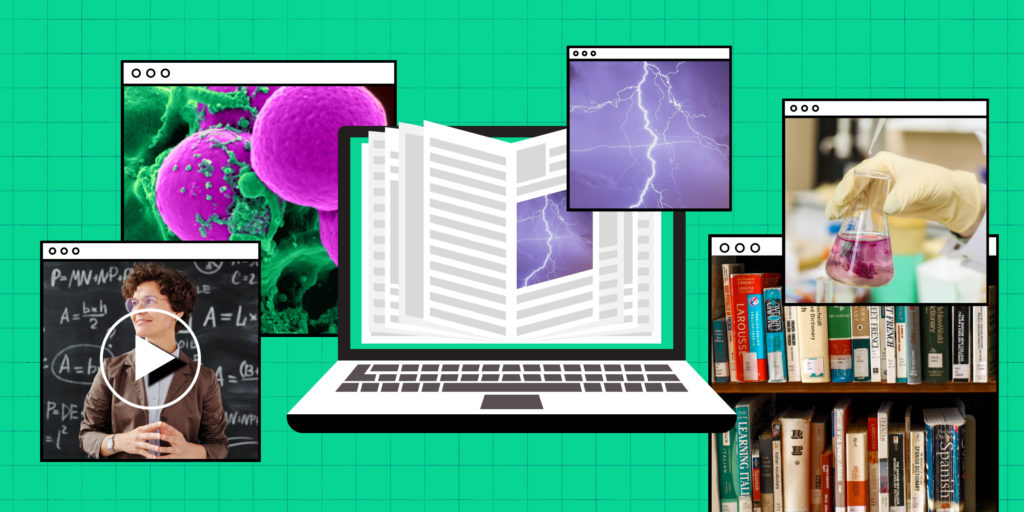
Traditional textbooks no longer make the grade in today’s online learning environment. Here’s why open source textbooks are the way of the future.

Consider your learning objectives, your students and the merits of synchronous versus asynchronous teaching to guide your approach
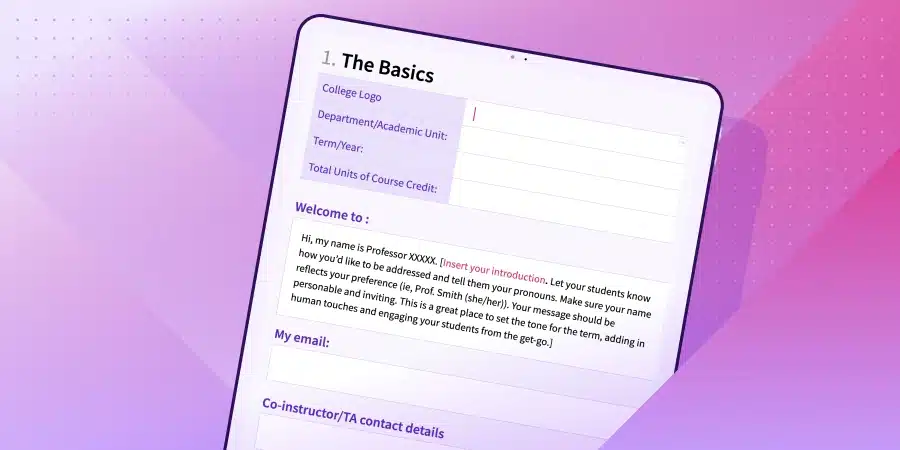
A comprehensive course syllabus is essential for creating an engaging and motivating learning experience. Use our free, customizable syllabus template for your next class.

Gain a deep understanding of Bloom's taxonomy and how it can be effectively applied in the learning process to benefit both educators and learners

Experiential learning, or learning through doing and then reflecting, is the key to higher-order thinking and critical analysis
Inclusive teaching and learning spaces ensure all students not only feel a sense of belonging but have what they need to reach their academic potential
Strategies, best practices and practical examples to make your grading process more efficient, effective and meaningful

Creating connections in your classroom will ensure your students are engaged. Use these team-building activities to lay a solid foundation for learning.

Reduce student anxiety and uncertainty with these virtual icebreaker activities
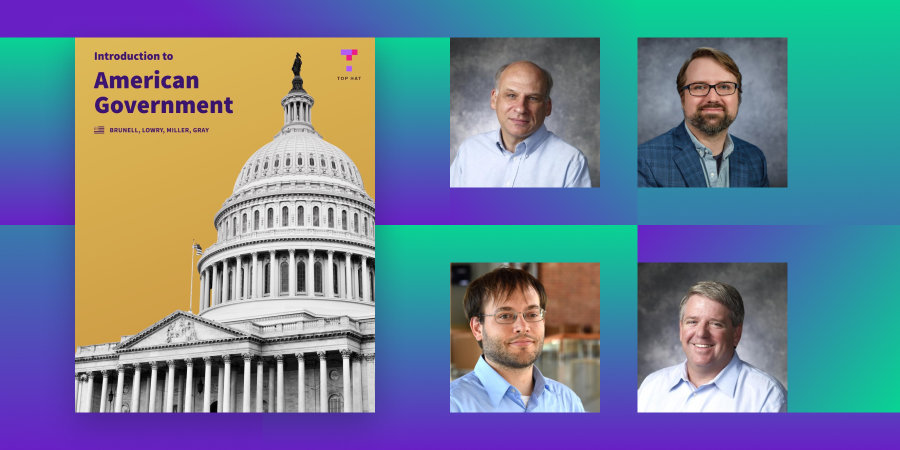
Authors of Top Hat’s "An Introduction to American Government" share their advice for hosting political discussions in the lead-up to a federal election

Our annual reading list is back! Here’s how to reduce biases, improve grades and spur compassion in the fall.

The author and host of the "Intentional Tech" podcast says AI should encourage educators to reevaluate their assignment structure and rubrics to deepen learning

Two sociology experts on helping students see the connection between theory and application

Print textbooks fall flat when it comes to interactivity, inclusivity and insights. Here’s why digital-first content provides real promise on all fronts.

Biology instructor Leigh Delaney-Tucker shares practical techniques to up the ante on student engagement, collaboration and real-world learning

Top Hat Graded 2023 has arrived. Here’s the impact you made with our engagement platform this year.

These student leaders shout out their faculty for making the year one to remember

Jesse Stommel, celebrated author and faculty member, urges educators to peel back the layers of ChatGPT rather than outright banning AI