Differentiated Instruction in the Digital Classroom
For instructors, differentiating instruction according to individual student needs is the key to success in the virtual classroom

For instructors, differentiating instruction according to individual student needs is the key to success in the virtual classroom

As learning shifts online, ensuring students are successful is more important than ever

Over 3,000 higher ed students made it clear that college was so much more than just a place for learning
Inclusive teaching starts with engagement, feedback and accessibility. Top Hat’s new features can help inject empathy into your course delivery

Over 3,000 higher ed students offered their views on this unprecedented semester
Elevate student learning outcomes by responding to their needs, communicating outside of class time and supporting them with non-academic resources

Open book, remote proctored, asynchronous assignment—selecting the appropriate final assessment type will depend on the needs of your class

With a little creativity and understanding, end-of-semester assessments don't have to suffer

Understanding what’s important to today's college students will set the stage for success in the Fall
With major platform upgrades—and a new free virtual classroom offering—Top Hat is showing educators just how much better online and blended learning can be

Reductions in funding, immersive course materials and a mixture of in-person and virtual courses may alter higher ed as we know it

Creating an active learning environment has never been more essential. Here’s how Top Hat can help you engage higher ed students remotely
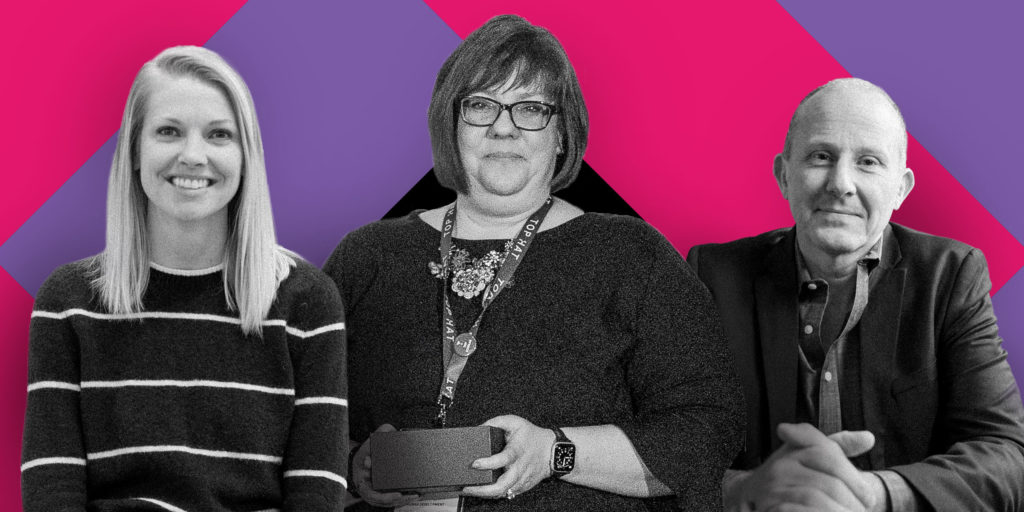
In March 2020, Top Hat honored three educators dedicated to improving learning experiences for students before, during and after class

Practice quizzes, flexibility in testing times and structured study sessions can help prepare higher ed students for this new wave of testing

Five college students share their experience with campus closures and the unexpected transition to remote learning

Remote learning can be a daunting transition for many educators who are comfortable with their tried-and-true lecturing methods, syllabuses, and student engagement strategies. However, recent events have reinforced the need for flexibility. For those who are new to remote teaching, how can you adapt your course to this new challenge while ensuring continuity and empathy […]

Help your students work together while learning online in a remote teaching environment

Top Hat offers two types of remote summative assessments that are flexible and customizable to accommodate online learning
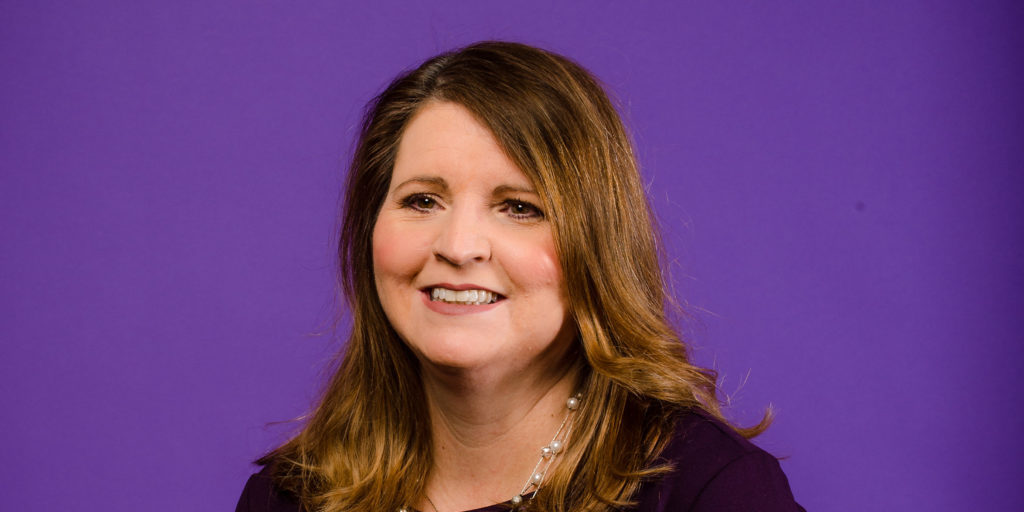
This mathematics professor has taught remotely for 19 years—and has some wisdom to share

Humanity and empathy, a healthy work-life balance and prioritizing students’ voices can make for a seamless transition to remote course delivery